
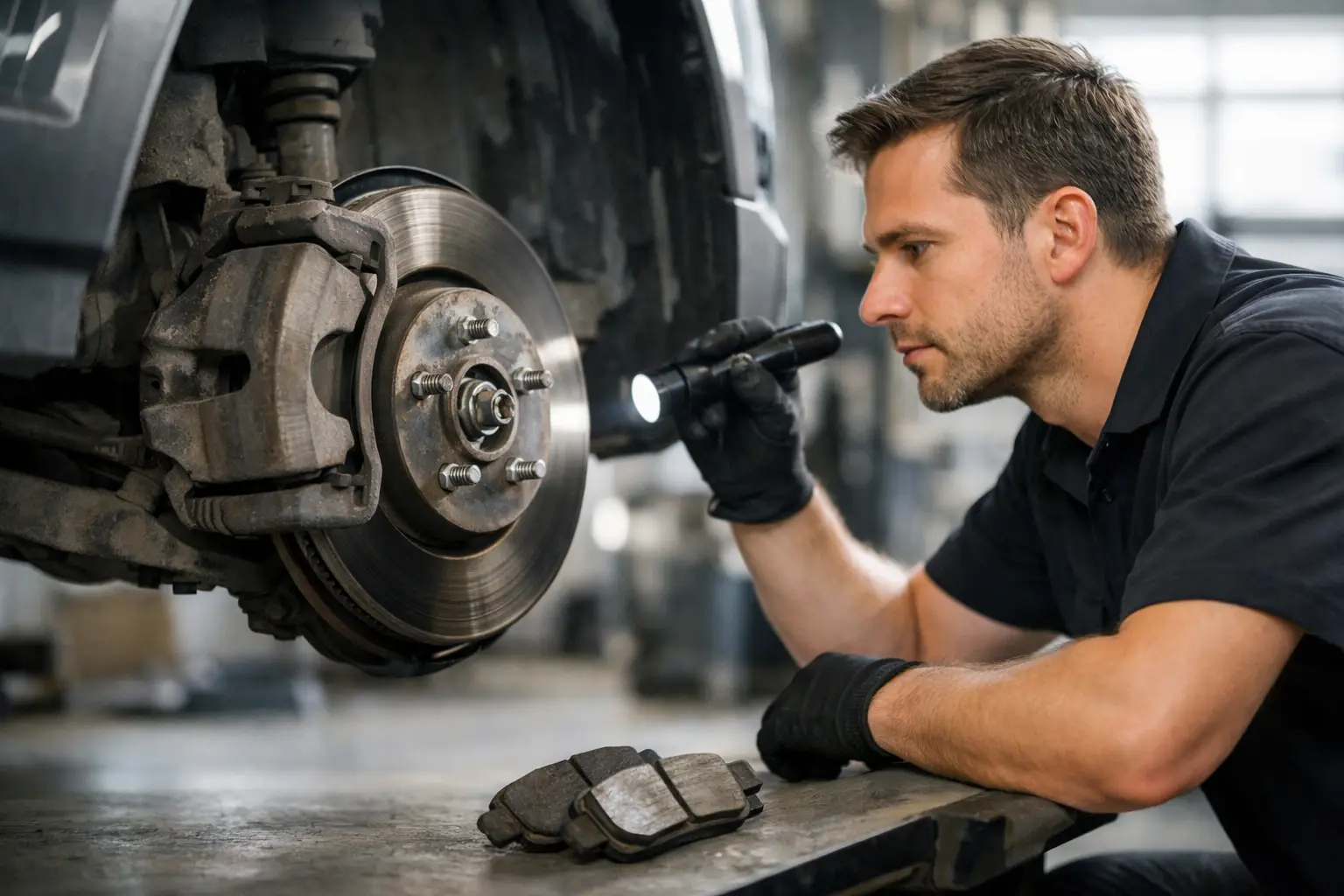
A sharp squeal when you slow for a junction can be unsettling, particularly in a premium European car that normally feels quiet and composed. Brakes squeal for reasons ranging from harmless moisture after rain to worn components that need prompt attention. The key is not to ignore the noise or assume every squeak means the same thing.
Your braking system works under intense heat and pressure. Pads clamp onto the brake discs thousands of times during normal driving, and small changes in pad material, disc condition or fitting hardware can create vibration. That vibration is often what you hear as a high-pitched squeal.
Why brakes squeal in normal driving
The most common cause is a light layer of moisture or surface corrosion on the brake discs. This is especially noticeable after the car has been parked overnight, during wet weather, or after washing it. In Singapore’s humid conditions, a thin film can form quickly. The noise usually disappears after a few gentle applications of the brakes, once the pads have cleaned the disc surface.
Brake dust can also contribute. Even quality brake pads produce dust as they wear, and premium European vehicles can generate a noticeable amount because their braking systems are designed for strong, controlled stopping performance. Dust collecting around the pads and calipers may make the brakes noisier, especially at low speeds.
Some pad compounds are naturally more prone to noise than others. Harder compounds may last well and cope with heat, but they can be less quiet when cold. Softer compounds can offer a smoother, quieter feel, though they may wear faster. There is always a balance between braking performance, longevity, dust levels and noise.
A brief squeal that occurs only during the first few stops of the day, then disappears, is not usually an emergency. It is still worth mentioning at your next service if it becomes more frequent or noticeably louder.
When squealing brakes point to a repair
Persistent squealing should be inspected. Brake pads have a limited service life, and many are fitted with a wear indicator. When the pad material reaches a low level, the indicator can touch the brake disc and create a sharp warning sound. This is designed to tell you that replacement is due before metal parts begin rubbing together.
If worn pads are left too long, the repair can become more expensive. Once the friction material is exhausted, the backing plate may score or damage the discs. Instead of replacing pads alone, you may need new discs and possibly additional caliper or fitting work.
Brake discs themselves can also cause noise. Grooves, uneven wear, corrosion around the disc edge or heat-related distortion can prevent the pad from making even contact. A disc that is below its minimum thickness should not be reused simply to reduce the immediate bill. It cannot dissipate heat as effectively and may compromise braking consistency.
The caliper and its fitting hardware matter just as much. Pads need to slide correctly within the carrier, while guide pins must move freely. If these parts are seized, dry, worn or incorrectly fitted, the pad may remain in contact with the disc after you release the pedal. This can lead to squealing, excessive heat, uneven pad wear and a burning smell.
Sounds that need immediate attention
A squeal is not always dangerous, but certain symptoms should move a brake check to the top of your list. Do not wait for the next scheduled service if you notice any of the following:
- A grinding, scraping or metallic noise when braking
- A brake warning light on the dashboard
- Vibration through the pedal or steering wheel under braking
- The car pulling to one side when you brake
- A soft pedal, reduced braking response or increased stopping distance
- A hot wheel, burning smell or smoke after a short journey
Grinding is particularly urgent. It can mean metal is contacting metal, which can quickly ruin brake discs and reduce safe stopping ability. A car that pulls under braking may have a sticking caliper, unevenly worn pads or a hydraulic fault. In either case, arrange an inspection rather than continuing to drive as normal.
Why premium European cars need the right brake parts
Volvo, BMW, Mercedes-Benz, Jaguar and other continental vehicles use braking systems matched to the vehicle’s weight, power, electronic safety systems and intended driving characteristics. A brake repair is not just a matter of fitting the cheapest available pads.
Poor-quality or unsuitable parts may create more dust, squeal excessively, wear quickly or fail to provide the controlled pedal feel you expect. They can also affect how the car behaves under repeated braking, where heat management becomes critical. The correct parts and proper installation are particularly important on vehicles with electronic parking brakes, brake wear sensors or advanced driver-assistance systems.
A professional brake inspection should assess more than the pad thickness. The technician should check disc condition and thickness, caliper movement, hoses, brake fluid condition, pad wear patterns and the operation of relevant sensors. This identifies the cause of the noise instead of replacing parts based on guesswork.
For example, replacing pads on worn, heavily grooved discs may only provide a short-term improvement. Equally, fitting new discs without servicing a sticking caliper can result in the same problem returning. A proper diagnosis protects the new parts and helps avoid repeat visits.
Can you keep driving if your brakes squeal?
It depends on the sound and the accompanying symptoms. If the squeal is light, appears only after rain or overnight parking, and disappears after a few brake applications, the vehicle is likely safe to use while you monitor it. Book an inspection if it continues for more than a few days or becomes a regular feature of every drive.
If the noise is constant, harsh or metallic, do not treat it as a nuisance. Reduce unnecessary journeys and have the brakes checked as soon as possible. The same applies if the car vibrates, pulls, feels less responsive or displays a warning message.
Avoid trying to solve brake noise with sprays or lubricants from a general shop. Brake components require specific products in specific locations. Applying the wrong substance to the disc or pad surface can reduce friction and create a genuine safety risk. A quick clean may also mask the cause without fixing worn parts or seized hardware.
What happens during a brake inspection?
At MTE Garage, brake checks are approached as a safety and wear assessment, not a one-size-fits-all parts sale. The workshop can measure the remaining pad material, inspect disc wear, check the calipers and identify whether the noise is linked to moisture, dust, wear indicators or a mechanical issue.
If replacement is required, the right recommendation depends on the vehicle and the condition of the full system. In some cases, pads can be replaced on their own. In others, pads and discs should be changed together to restore consistent braking performance. The goal is straightforward: reliable stopping power, quality new parts and no uncertainty about what work is necessary.
Brake fluid should also not be overlooked. Over time it absorbs moisture, which lowers its boiling point. During repeated heavy braking, old fluid can affect pedal feel and braking performance. Most manufacturers specify replacement intervals, so it is sensible to check this as part of routine servicing rather than waiting for a problem.
Reduce avoidable brake noise
You cannot prevent every squeal, particularly after wet weather, but regular servicing helps keep the system in good order. Have pad and disc wear checked at scheduled intervals, especially if you do frequent city driving, carry family passengers, or regularly travel with a full load. Stop-start traffic places more demand on brakes than steady motorway driving.
Gentle, progressive braking also helps. Repeated harsh braking creates extra heat and can accelerate wear, although there are times when firm braking is necessary and correct. After fitting new pads or discs, follow the workshop’s bedding-in advice so the components can seat properly.
A brake squeal may be a minor morning annoyance, or it may be the first warning that pads, discs or calipers need attention. Listen to the change in sound, pay attention to how the pedal feels, and arrange a professional inspection before a small noise becomes a larger repair.