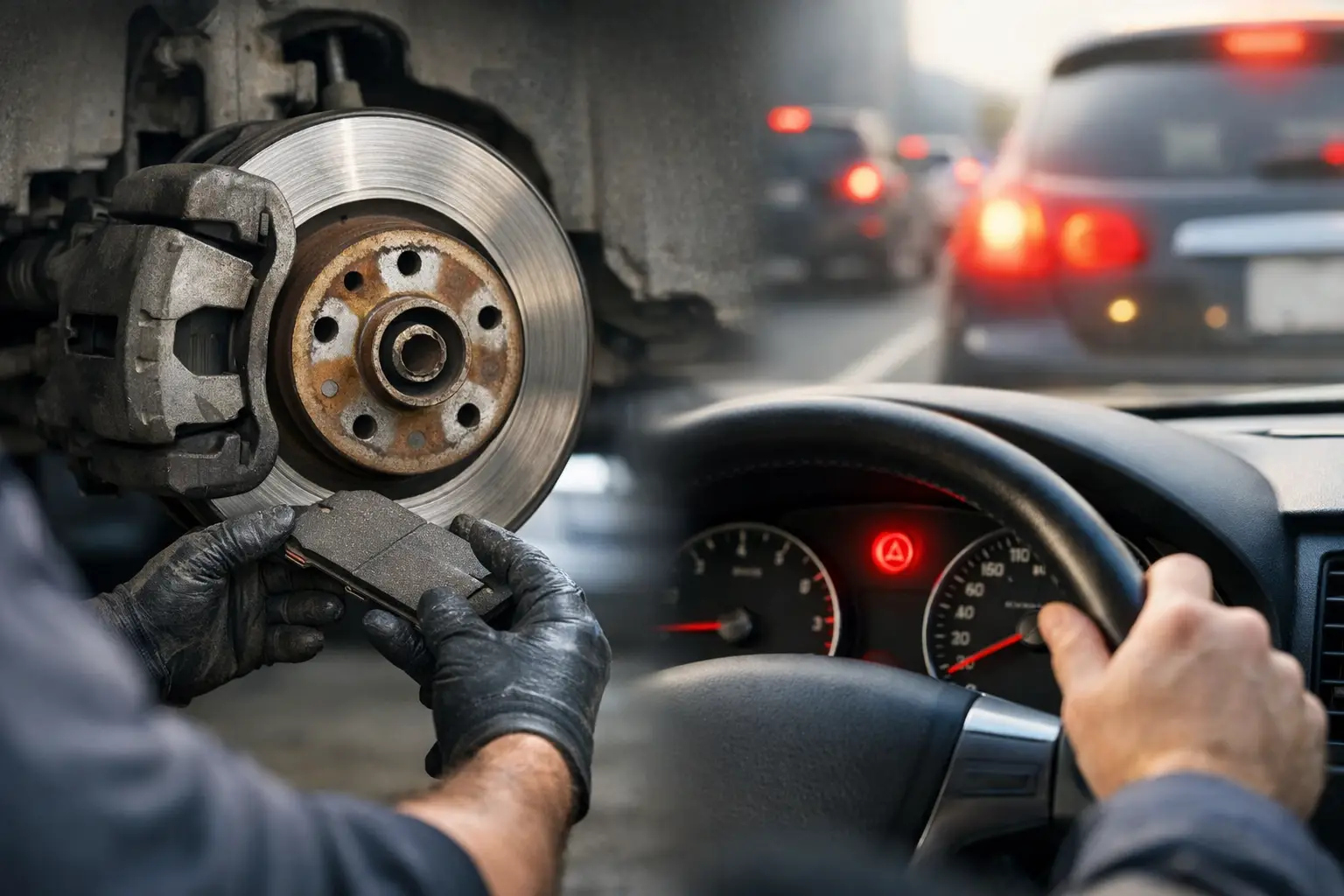
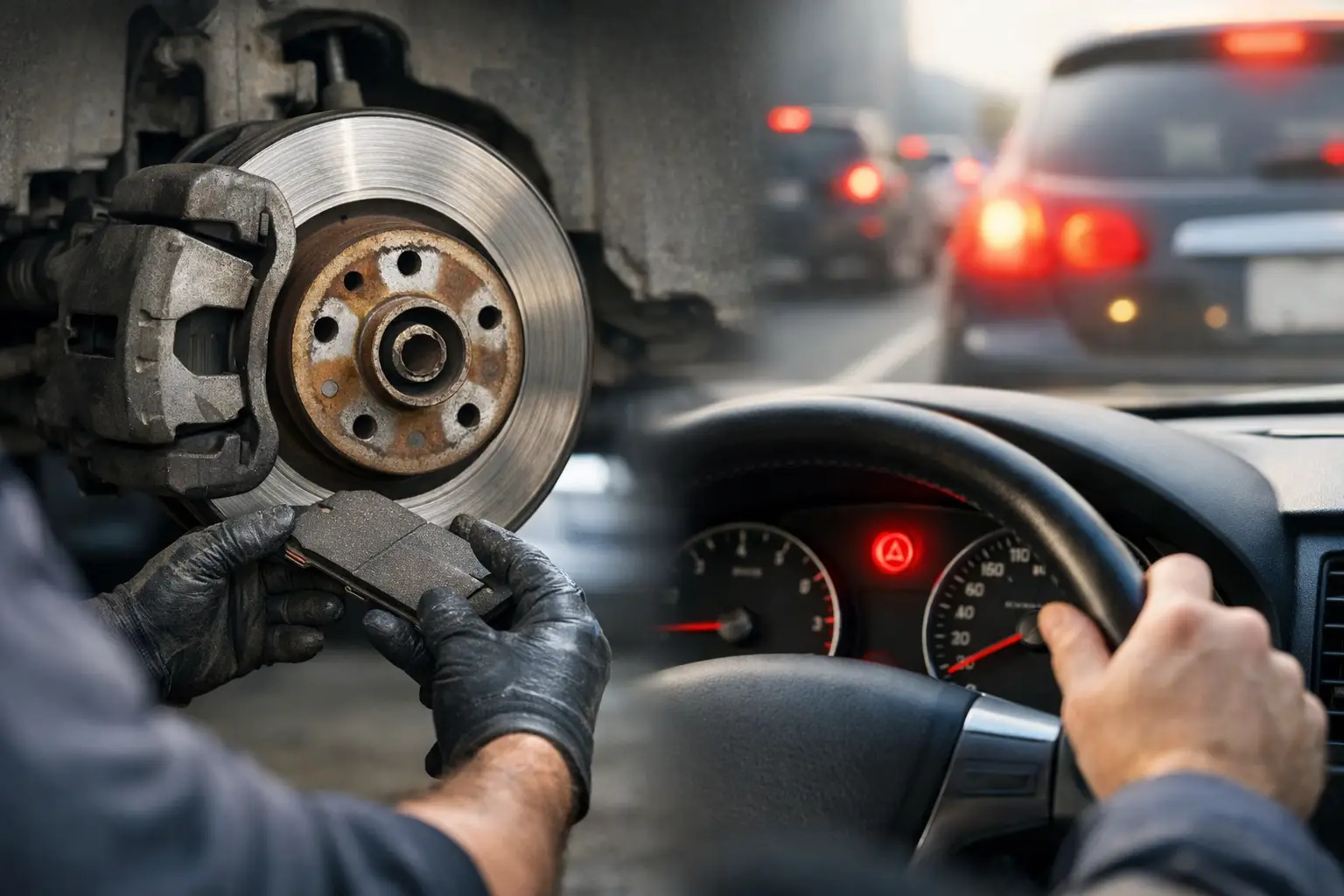
A brake problem rarely begins with a complete loss of stopping power. More often, it starts with a noise at the car park ramp, a steering wheel vibration in traffic, or a brake pedal that simply does not feel as reassuring as it used to. This brake repair warning signs guide explains what those changes can mean and when your Volvo or European car needs professional attention.
Brakes are not an area for guesswork or postponement. Premium vehicles use carefully matched braking components, electronic safety systems and, in many cases, advanced driver-assistance features that rely on predictable braking performance. Addressing a concern early can protect your safety, prevent damage to discs and calipers, and often keep the repair more straightforward.
Brake repair warning signs guide: noises you should not ignore
A light squeal on the first few stops of the day can be harmless, particularly after rain, washing the car or leaving it parked overnight. Surface moisture can form on brake discs and disappear after a few applications of the brakes. However, a repeated high-pitched squeal, especially once the brakes are warm, commonly points to worn brake pads or a pad wear indicator contacting the disc.
A grinding or harsh scraping noise is more urgent. It can mean the friction material on the brake pad has worn away and the metal backing is now damaging the brake disc. Continuing to drive may turn a pad replacement into replacement of pads, discs and potentially other affected parts.
A clunk, knock or rattle when braking is different again. Loose hardware, worn suspension components, an incorrectly seated pad or a caliper issue may be involved. The sound alone cannot confirm the fault, but it is a clear reason to have the vehicle inspected rather than hoping it settles.
Changes in pedal feel and stopping response
Your brake pedal should feel firm and consistent. If it travels further than normal before the car begins to slow, feels spongy, or sinks gradually while held under pressure, arrange an inspection promptly. These symptoms can be associated with low brake fluid, air in the hydraulic system, fluid leaks or a fault in a master cylinder. They should not be treated as normal wear.
A hard pedal also deserves attention. It may be related to the brake servo or vacuum assistance system, which can make the car much harder to stop with normal pedal effort. If the pedal suddenly feels different, do not wait until the next scheduled service to raise it.
Take note of how the car responds under ordinary braking too. If you need more distance than usual to slow down, the vehicle pulls to one side, or it feels unsettled during a firm stop, book a brake check. A pulling sensation can result from a sticking caliper, uneven pad wear, contaminated braking surfaces or, occasionally, tyre and suspension issues. A proper workshop inspection separates these possibilities instead of replacing parts blindly.
Vibration, warning lamps and visible clues
Vibration through the steering wheel or brake pedal while braking often indicates uneven disc surfaces or disc run-out. Drivers sometimes describe this as warped discs, but the cause can vary. Heat stress, incorrect wheel fitting, corrosion between the wheel and hub, or uneven pad material transfer can all affect how the brake disc performs.
The sensible repair depends on the disc condition, thickness and the reason for the vibration. On a premium European vehicle, fitting quality parts and tightening wheels correctly are not small details. They help the new components perform properly and reduce the chance of repeat issues.
Never ignore a brake warning lamp. A red brake warning light can indicate low brake fluid, an applied parking brake or a hydraulic problem. If it stays on after releasing the parking brake, stop safely and arrange assistance. An amber ABS or stability-control warning light does not always mean the basic hydraulic brakes have failed, but it can mean anti-lock braking or stability support is unavailable. The vehicle should be checked without delay, particularly before wet-weather driving or a long journey.
You may also spot practical signs around the wheels. Excessive black brake dust on one wheel compared with the others, a burning smell after normal driving, or a wheel that feels unusually hot can point to a binding caliper. Do not touch a hot wheel or brake component. Leave the car to cool, avoid further driving if possible, and have it assessed.
Why brake wear is not the same on every car
Brake pads and discs are consumable parts, but there is no reliable mileage figure that applies to every driver. Heavy city traffic, frequent short trips, steep multi-storey car parks, vehicle load, driving style and the compound of the fitted pads all influence wear. A family Volvo used daily in stop-start traffic may need pads earlier than a similar model used mainly on open roads.
Front brakes generally wear faster because they handle more of the load during deceleration. That does not mean rear brakes can be ignored. Rear calipers, electronic parking brake mechanisms and brake discs can develop faults or corrosion, particularly where a car is used for short journeys and braking components do not regularly reach full operating temperature.
The lowest-priced brake job is not always the best value. Poor-quality pads may create excessive noise or dust, while unsuitable discs or incorrect fitting can compromise pedal feel and wear characteristics. The right approach is to inspect the complete braking system, confirm what is genuinely worn or faulty, and fit new parts that suit the vehicle’s specification.
What happens during a professional brake inspection
A meaningful brake inspection is more than a quick look through the wheel spokes. The technician should assess pad thickness and wear pattern, disc condition and thickness, caliper movement, hoses, brake fluid condition, wheel bearings where relevant, and any stored fault codes connected to ABS or electronic parking brake systems.
Uneven wear matters because it tells a story. A pad worn heavily on one edge may point to seized caliper slides. An inner pad worn more than the outer pad can indicate a sticking piston. Replacing only the visibly worn pad without correcting the underlying fault risks another premature repair.
For many Volvo, BMW, Mercedes, Volkswagen, Jaguar and other continental models, electronic service procedures may also be required. Rear brake work with an electronic parking brake, for example, can require the system to be placed into service mode before components are removed and reset correctly afterwards. This is where model-specific experience makes a practical difference.
At MTE Garage, brake work is approached as a safety repair, not a parts-selling exercise. The aim is to identify the cause, explain the condition clearly and use quality new replacement parts suitable for your vehicle. That gives owners a clearer basis for deciding what needs immediate attention and what can be monitored at the next service.
When should you stop driving?
Some symptoms call for an immediate stop rather than a routine booking. Do not continue driving if the brake pedal sinks to the floor, stopping power is severely reduced, a red brake warning light remains on, brake fluid is visibly leaking, or there is smoke or a strong burning smell from a wheel. Arrange recovery or 24/7 car assistance instead.
For milder symptoms such as a persistent squeal, light vibration or an amber ABS light, drive only as necessary and arrange a workshop inspection soon. Avoid high-speed driving, heavy loads and long journeys until the cause is known. Braking faults can worsen quickly, and a small concern is easier to manage before it becomes an unsafe one.
Simple habits that help brakes last
You cannot prevent normal brake wear, but you can avoid making it worse. Keep a sensible following distance so you do not need repeated harsh stops. After driving through heavy rain or washing the car, use light brake applications when safe to help clear moisture from the discs. If your car sits unused for extended periods, regular short movement may help reduce surface corrosion, although it is not a substitute for servicing.
During routine servicing, ask for the measured pad thickness and an honest assessment of the discs, rather than relying only on a general statement that the brakes are “fine”. Clear information helps you plan repairs before wear reaches the point of disc damage or warning lights.
A brake concern is worth checking when it first changes how the car sounds, feels or stops. Book an inspection while the symptoms are still specific and manageable, and you give your technician the best chance to protect both your safety and your repair bill.