
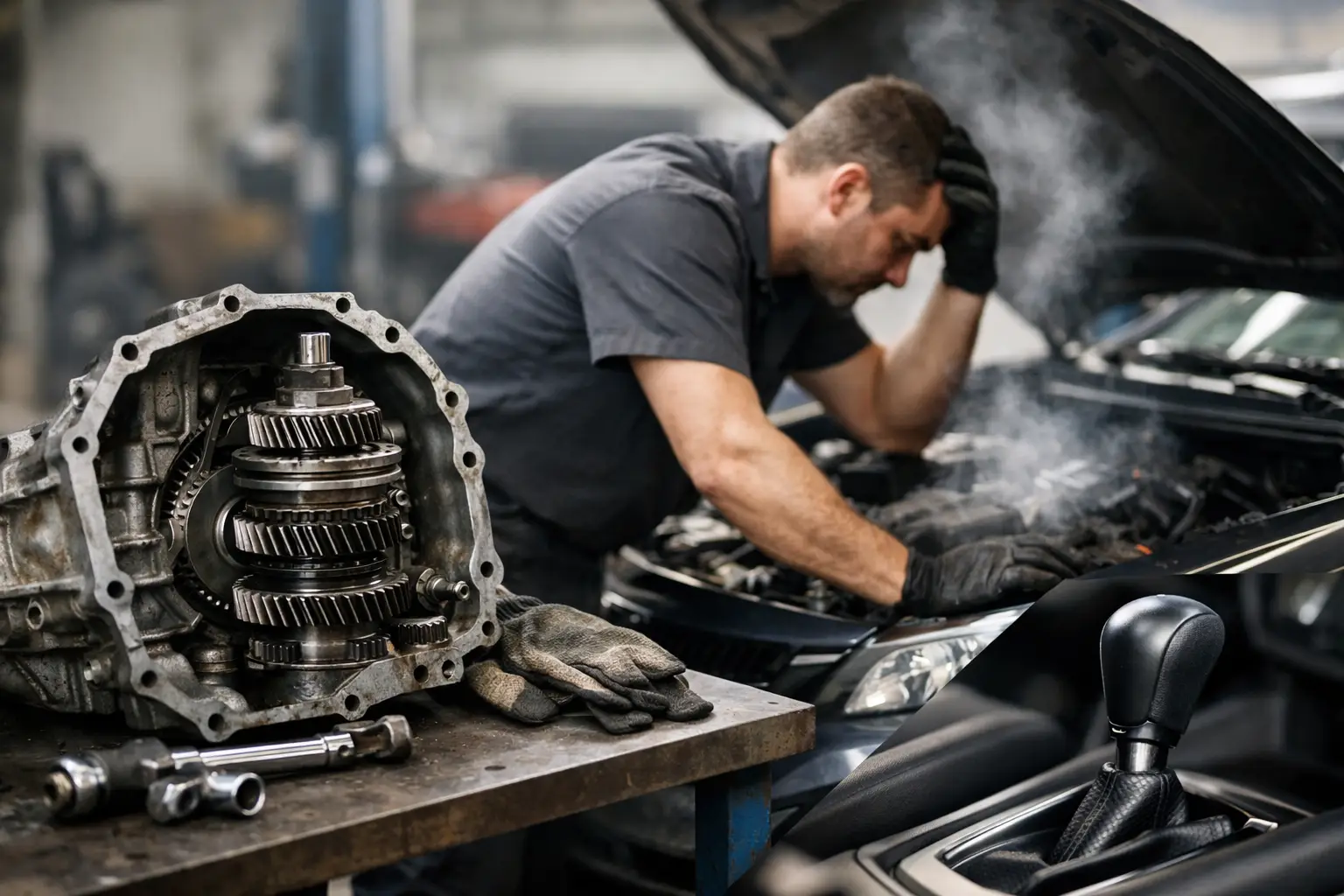
A delay when selecting Drive, a hard shift in slow traffic, or a sudden warning light can turn an ordinary journey into a concern. Gearbox repairs should not be treated as a last resort once the car no longer moves properly. For Volvo and other European car owners, early investigation is often the difference between a targeted repair and a far more expensive rebuild.
Your gearbox works under constant load, managing power from the engine and delivering it smoothly to the wheels. Automatic, dual-clutch and manual systems all have different operating characteristics, but none responds well to ignored symptoms, incorrect fluids or poor-quality replacement parts. A proper diagnosis is the starting point for any repair that is meant to last.
When gearbox repairs may be needed
A gearbox rarely fails without giving some indication first. The signs can be subtle at the beginning, particularly if a vehicle is mainly used for short city journeys. Singapore’s stop-start traffic, heat and regular low-speed driving can place added strain on transmission fluid and internal components.
Watch for these four common warning signs:
- A noticeable hesitation, shudder or jolt when pulling away or changing gear.
- Engine revs rising without the car gaining speed as expected.
- Whining, humming, clunking or grinding noises that change with road speed or gear selection.
- A transmission warning message, check-engine light, or the vehicle entering reduced-power mode.
Other symptoms can include difficulty selecting reverse, a burning smell, fluid leaks beneath the vehicle, or an automatic gearbox that changes gear at the wrong time. A manual car may have a worn clutch or hydraulic issue rather than a fault inside the gearbox itself. That is why assumptions are costly. The same symptom can have several causes, and the correct repair depends on finding the actual fault.
Why early diagnosis protects your car
A small leak or deteriorated transmission fluid may appear minor, but low or contaminated fluid reduces lubrication and heat control. Over time, this can affect valve bodies, solenoids, clutches, bearings and gears. Continuing to drive while the gearbox slips or bangs through shifts can create secondary damage that was not present at the start.
For modern European vehicles, electronic diagnosis matters as much as mechanical inspection. The gearbox control unit communicates with the engine, sensors and other vehicle systems. Fault codes provide useful direction, but they are not a final answer on their own. An experienced technician will assess live data, road-test behaviour, fluid condition and the physical condition of related components before recommending work.
This approach avoids two common mistakes: replacing parts without evidence, and dismissing a developing problem because the warning light has disappeared. Intermittent faults can be particularly frustrating, but they should still be investigated before they become permanent.
Not every rough shift means a full gearbox replacement
A full replacement is sometimes necessary, especially where there is major internal damage or widespread contamination. However, it is not the automatic solution. Depending on the vehicle and fault, the right work may be a gearbox service, software adaptation, replacement of a sensor or solenoid, valve body repair, seal replacement, clutch-related work, or repair of a wiring issue.
The trade-off is clear. The lowest initial quote may only address the symptom, while a dealership replacement may be more than the fault requires. A specialist workshop should explain what has failed, what work is proposed, and whether there are sensible repair options for your car’s condition and mileage.
The role of correct gearbox servicing
Many owners are careful with engine oil changes but overlook gearbox maintenance. Some vehicles are marketed with long-life transmission fluid, yet fluid still degrades through heat, friction and normal use. The appropriate service interval depends on the gearbox type, vehicle age, driving pattern and manufacturer guidance.
A correct gearbox service is not simply draining and refilling fluid. It may require the specified fluid grade, a new filter where applicable, correct filling temperature, electronic reset or adaptation procedures, and inspection for leaks. Using the wrong fluid can alter shift quality and potentially cause damage, particularly in complex automatic and dual-clutch gearboxes.
There is also a difference between preventive servicing and repairing an existing fault. Fresh fluid can be beneficial when carried out at the right time, but it will not repair worn internal clutches, damaged gears or failed electronics. If your gearbox is already slipping, making noise or producing fault codes, diagnostics should come before any service is authorised.
What to expect from a professional gearbox inspection
A reliable workshop will begin by listening to the problem as you experience it. Details matter: whether the issue occurs from cold, after the car has warmed up, during acceleration, when reversing, or only in certain gears. If possible, note when the symptom started and whether any warning messages appeared.
The inspection should then combine diagnostic scanning with checks for fluid leaks, fluid condition, mount wear, driveshaft concerns and engine faults that can affect shifting. A road test may be needed to reproduce the issue safely. On premium European vehicles, specialist diagnostic equipment and brand knowledge help identify faults that generic scanning can miss.
Once the cause is clearer, you should receive a practical recommendation rather than vague advice to “monitor it”. That includes the scope of repair, parts required, likely timescale and the risks of delaying work. Quality new replacement parts and careful installation are particularly important for components that operate under heat and pressure.
Choosing a workshop for Volvo and European cars
Gearbox systems vary considerably between manufacturers and model generations. A workshop that understands Volvo servicing will be familiar with the need for accurate diagnostics, correct fluids and vehicle-specific procedures. The same applies to BMW, Mercedes, Volkswagen, Renault, Jaguar, Ferrari and Maserati vehicles, where a general repair approach may not be enough.
Look for clear communication and a workshop that does not pressure you into the most expensive option before confirming the fault. Ask whether the technician has identified the cause, whether the quoted parts are new, and what work is included. A trustworthy garage should be straightforward about what can be repaired, what should be replaced, and where the value lies.
At MTE Garage, gearbox concerns are assessed with the same practical focus applied to wider Volvo and continental vehicle servicing: find the fault properly, use quality parts, and carry out only the work your vehicle needs.
Can you drive with a gearbox warning light?
It depends on the warning and how the vehicle is behaving. If the car is slipping, jolting severely, losing drive, making loud mechanical noises or entering reduced-power mode, stop driving and arrange assistance. Continuing can turn a manageable fault into extensive gearbox damage. If the car appears normal, book an inspection promptly rather than waiting for the next service.
How long do gearbox repairs take?
Simple electrical, sensor, seal or servicing work may be completed relatively quickly once parts are available. More involved repairs can take longer because diagnosis, dismantling, specialist parts and testing all matter. The correct timescale depends on the fault, not just the vehicle model.
Will a gearbox repair improve fuel economy?
It can, if the fault has caused slipping, delayed shifts or incorrect gear selection. However, fuel economy is influenced by many factors, including engine condition, tyres, driving habits and air-conditioning use. The first objective is always safe, consistent operation.
If your car has started changing gear differently, do not wait for the problem to become impossible to ignore. A timely inspection gives you clearer options and a better chance of keeping your Volvo or European car driving as it should.