
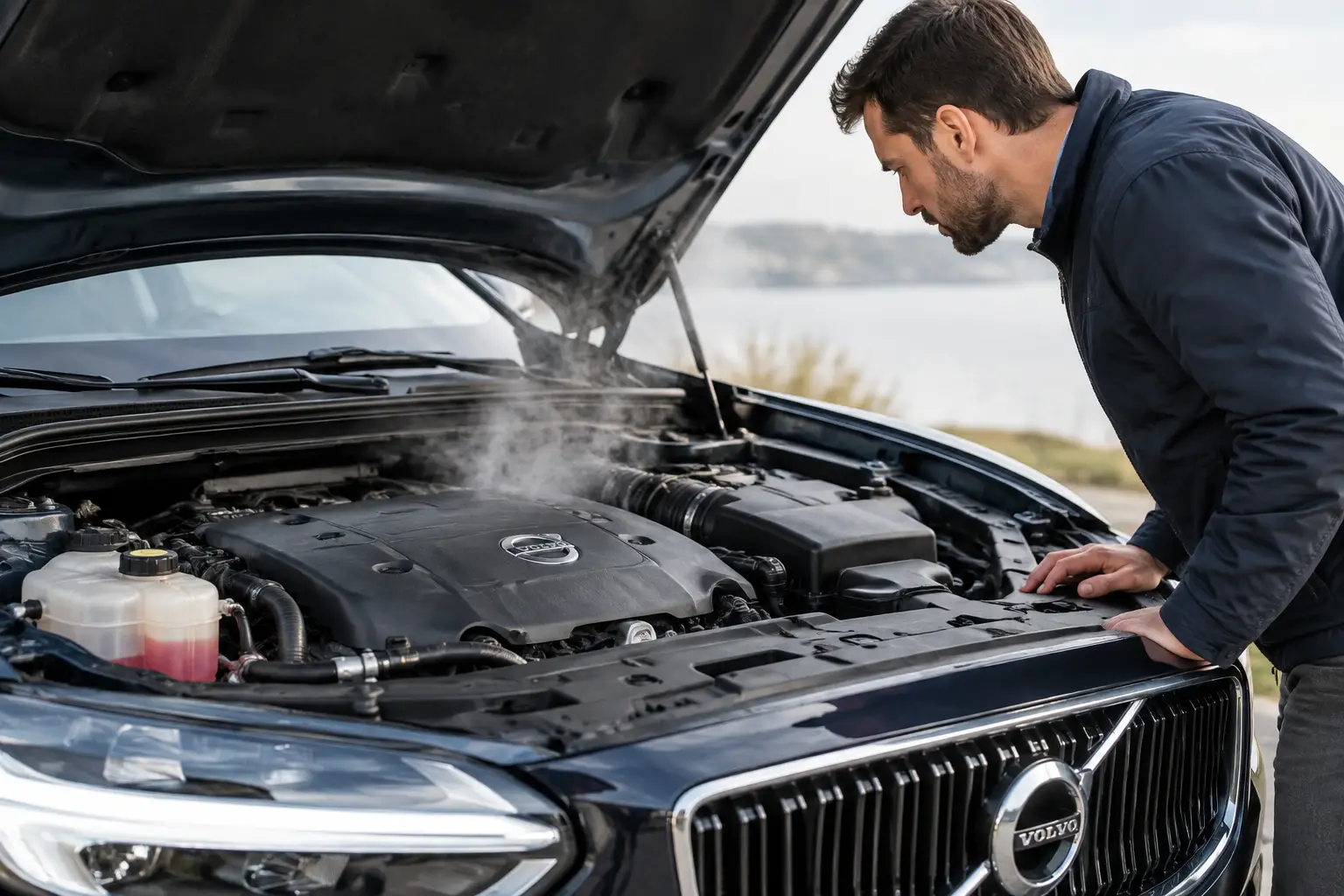
A rising temperature gauge in a Volvo is not a warning to put off until the weekend. The question of why Volvo engine overheats often comes up after a dashboard message appears, steam escapes from under the bonnet, or the air-conditioning suddenly loses its chill in traffic. Any of these signs can point to a cooling-system fault that needs prompt attention.
Volvo engines are engineered to operate within a precise temperature range. In Singapore’s heat and stop-start traffic, the cooling system works hard, but ambient temperature alone should not make a properly maintained Volvo overheat. If it does, there is usually an underlying fault that should be diagnosed before it becomes a far more expensive engine repair.
Why a Volvo Engine Overheats
An overheating issue normally means the engine is either losing coolant, failing to circulate it correctly, or unable to shed heat through the radiator. The exact cause depends on the model, engine and condition of the vehicle, but the following faults are the most common ones seen in Volvo servicing and repair.
Coolant leaks and low coolant level
A small coolant leak can become a serious problem quickly. Coolant may escape from a split hose, radiator, expansion tank, water pump, thermostat housing or a worn seal. Some leaks are obvious, leaving a coloured puddle beneath the car or a sweet smell after parking. Others only appear when the engine is hot and the system is pressurised.
When the coolant level drops, there is not enough fluid to carry heat away from the engine. Topping it up may temporarily remove the warning message, but it does not fix the reason it was low. Continuing to drive with a leak risks repeated overheating and internal engine damage.
A faulty thermostat or water pump
The thermostat controls the flow of coolant between the engine and radiator. If it sticks closed or only opens partially, hot coolant cannot reach the radiator efficiently. The temperature can climb very quickly, particularly during normal driving rather than only in traffic.
The water pump is just as critical. It circulates coolant through the engine, heater matrix and radiator. A worn pump, damaged impeller or failed drive component can reduce circulation even if the coolant level looks correct. On some Volvos, the fault may develop gradually, with intermittent high-temperature warnings before a full failure.
Radiator blockage or cooling fan failure
The radiator needs clear internal passages and unrestricted airflow to remove heat. Over time, corrosion, degraded coolant or contamination can restrict coolant flow inside the radiator. Leaves, dust and road debris can also block the front of the radiator or air-conditioning condenser.
A cooling fan fault is especially noticeable in slow traffic or while idling. If the fan does not engage when required, the vehicle may hold a normal temperature on the expressway but overheat at traffic lights. The cause could be the fan motor, control module, wiring, relay or a faulty temperature signal. Replacing parts without proper testing is not the right approach.
Failed hoses, pressure cap or expansion tank
Cooling systems operate under pressure. A weak expansion-tank cap may release pressure too early, lowering the coolant’s boiling point and allowing it to boil when the engine is under load. Ageing rubber hoses can collapse internally or split at their connections, while a cracked expansion tank can cause a slow but persistent coolant loss.
These parts may seem minor compared with an engine or radiator, yet they are essential to stable operating temperature. Quality replacement parts and correct fitment matter, particularly on premium European vehicles where the cooling system is closely monitored by engine management systems.
Head gasket or internal engine fault
In more serious cases, overheating may be caused by combustion gases entering the cooling system through a damaged head gasket or a crack within the engine. This can pressurise the system, push coolant out, cause repeated overheating and sometimes produce white exhaust smoke or contaminated engine oil.
A head gasket issue is not the first assumption for every overheating Volvo. It must be confirmed through proper checks, including pressure testing and testing for combustion gases in the coolant. Early diagnosis is vital because continuing to drive can warp the cylinder head and turn a repairable problem into major engine work.
Warning Signs You Should Not Ignore
Volvo warning systems are designed to alert the driver before severe damage occurs, but no warning light can protect an engine if the car continues to be driven. Book an inspection promptly if you notice any of the following:
- A high engine-temperature warning, red warning light or message asking you to stop safely.
- Coolant level warnings that return after topping up.
- Steam, a sweet coolant smell or visible fluid beneath the vehicle.
- Temperature rising in traffic, during hill climbs or when the air-conditioning is operating.
- A heater that suddenly blows cold air while the engine temperature rises.
- White smoke from the exhaust, rough running or signs of coolant mixing with oil.
The heater symptom is easy to miss. If the heater goes cold during an overheating event, it can indicate low coolant or poor coolant circulation. Treat it as a warning, not a comfort-setting issue.
What to Do If Your Volvo Starts Overheating
If a high-temperature warning appears, reduce load on the engine and stop in a safe location as soon as possible. Switch off the air-conditioning, avoid hard acceleration and do not continue driving simply because the warning disappears for a moment. An overheating engine can suffer damage in a very short distance.
Once safely stopped, switch off the engine and allow it to cool fully. Do not open the coolant expansion-tank cap while the engine is hot. Pressurised coolant can spray out and cause serious burns. It is also unwise to pour cold water over a hot engine.
After the engine has cooled, a visual check may reveal an obvious coolant leak, loose hose or low coolant level. However, do not rely on a top-up as a long-term answer. If coolant has disappeared, the system needs to be checked for leaks and the underlying cause. Where the warning is severe, steam is present or the car has lost substantial coolant, arrange recovery rather than driving it to a workshop.
Proper Diagnosis Matters More Than Guesswork
A Volvo cooling-system repair should begin with a clear diagnosis, not a list of speculative replacements. A specialist workshop can inspect for external leaks, pressure-test the system, check the condition of the coolant, assess radiator flow and confirm whether the thermostat, water pump and cooling fan are operating correctly.
Modern Volvos may also store fault codes relating to coolant temperature sensors, fan control, electric pumps or thermostat performance. Diagnostic equipment helps identify these faults, but experienced technicians still need to interpret the results alongside the vehicle’s symptoms. A fault code can identify a circuit problem, for example, while the actual cause may be damaged wiring, a connector issue or a failed component.
At MTE Garage, Volvo-focused diagnosis helps owners avoid the false economy of replacing the cheapest visible part and hoping the fault disappears. The aim is to identify the cause, explain the repair clearly and use quality new parts that support dependable long-term performance.
Preventing Overheating Before It Starts
Cooling-system maintenance is often overlooked because it works quietly until something fails. Following the correct service schedule, using the specified coolant and having any coolant warning investigated early gives the system the best chance of doing its job.
Pay attention after repairs as well. Air trapped in the cooling system after a coolant change or component replacement can cause erratic temperature behaviour if the system has not been bled correctly. It is also sensible to have hoses, the radiator, expansion tank and drive components inspected as the car ages, especially before long journeys or periods of heavy use.
A Volvo should run confidently in Singapore traffic without overheating. If its temperature rises, act early, avoid driving it while hot and have the cooling system inspected before a manageable repair becomes an engine rebuild.