
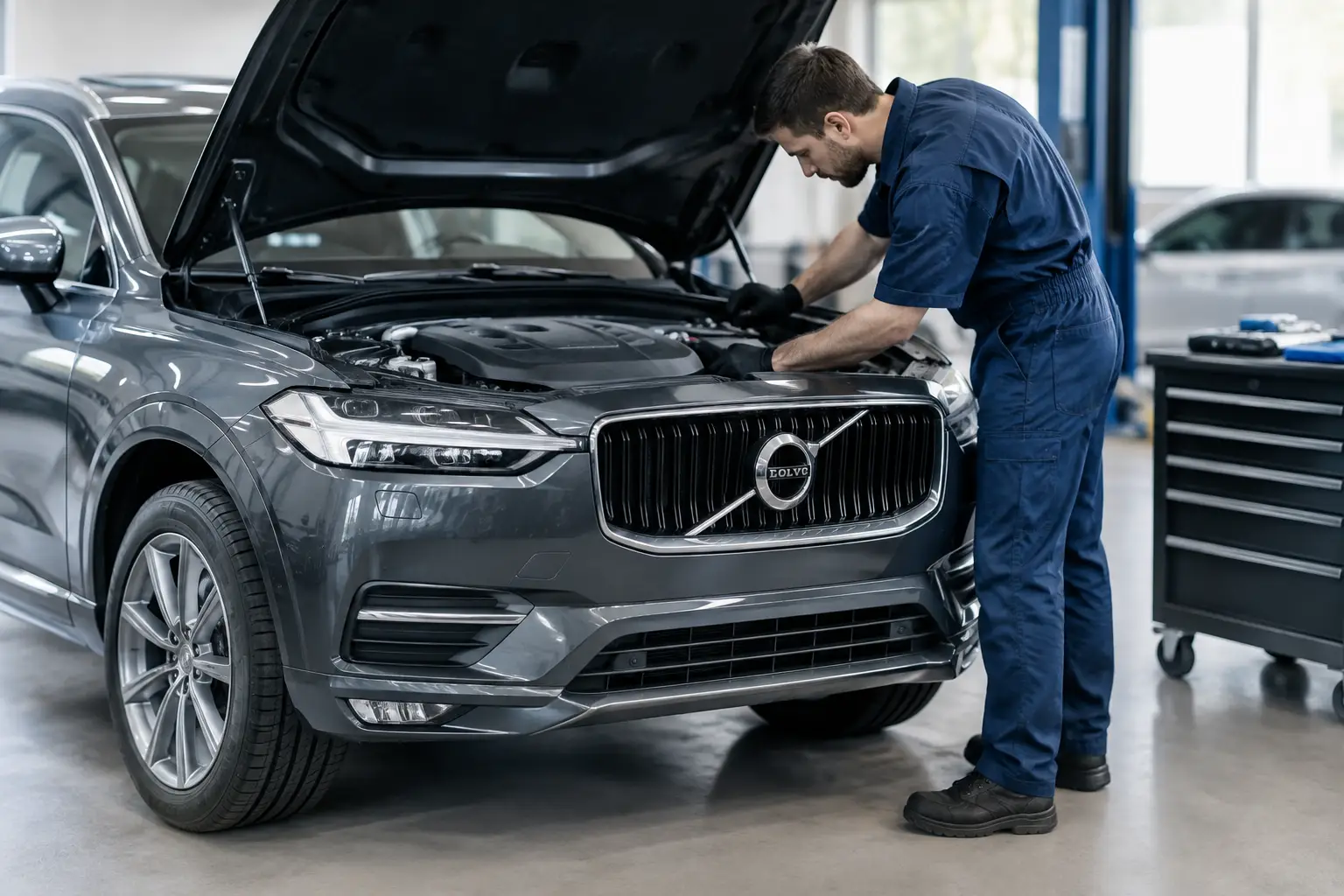
A warning light appearing on the dashboard the week before a family trip is not the time to find out whether your car has been properly maintained. Regular car servicing gives you a clear view of your vehicle’s condition before small wear-and-tear issues become expensive repairs. For Volvo and continental car owners, that matters because these vehicles rely on precise maintenance, the right diagnostic equipment and quality replacement parts.
A proper service is not simply an oil change with a checklist. It is a planned inspection of the systems that keep your car safe, efficient and reliable on Singapore roads: the engine, brakes, tyres, battery, fluids, cooling system, lights and more. The exact work depends on your vehicle’s age, mileage, service history and the way it is used.
Why regular car servicing is worth it
Premium European cars are built to deliver comfort, performance and strong safety standards. They also have specific servicing requirements. Ignoring a scheduled service can lead to contaminated engine oil, reduced braking performance, battery failure, overheating or warning lights that point to a developing fault.
Routine maintenance gives a technician the opportunity to spot issues while they are still manageable. A worn auxiliary belt, for example, is usually straightforward to replace before it fails. A minor coolant leak can be repaired before it causes overheating. Brake pads can be changed before worn material damages the brake discs.
There is also a financial reason to stay ahead of maintenance. Skipping a service may appear to save money in the short term, but it can shorten the life of expensive components. A well-documented service history also supports your car’s resale value and reassures the next owner that it has been looked after properly.
For Volvo owners, specialist knowledge is particularly valuable. Volvo models have their own service schedules, diagnostic systems and common age-related concerns. A workshop that understands the marque can assess the vehicle accurately rather than taking a one-size-fits-all approach.
What a proper car service should cover
The work carried out during car servicing should suit the vehicle and the service interval due. A basic annual service and a major mileage-based service are not the same thing, and a good workshop will explain exactly what is included before work begins.
Engine oil, filter and essential fluids
Engine oil protects internal engine components from friction and heat. Over time, it degrades and collects contaminants. Replacing the oil and filter at the correct interval helps maintain engine performance and reduces unnecessary wear.
Technicians should also inspect key fluid levels and condition, including coolant, brake fluid, transmission fluid and windscreen washer fluid. Some fluids require scheduled replacement rather than a simple top-up. Brake fluid, for instance, absorbs moisture over time, which can affect braking response and internal components.
Brakes, tyres and suspension
These are the parts of the car that directly affect how safely it stops and handles. Brake checks should cover pad thickness, disc condition, hoses, fluid and signs of uneven wear. Squealing, vibration through the pedal, a pulling sensation or a longer stopping distance should never be ignored until the next planned service.
Tyres need more than a quick glance. Their tread depth, pressure, sidewall condition and wear pattern can reveal alignment, suspension or driving issues. Uneven tyre wear may indicate that wheel alignment is required or that a suspension component needs attention.
Suspension checks are especially relevant for heavier premium vehicles. Worn bushes, dampers and links can make the car feel unsettled, create knocking noises and affect tyre life. These faults often develop gradually, so drivers may not notice the change until the handling has deteriorated significantly.
Battery, electrical systems and lighting
Modern Volvos, BMWs, Mercedes and other continental vehicles depend heavily on electrical systems. A weak battery can trigger multiple warning messages, affect stop-start operation and leave you unable to start the car without warning.
During servicing, the battery and charging system should be tested, particularly if the car is more than a few years old, is used mainly for short journeys or has recently shown slow starting. Exterior lights, wipers and basic electrical functions should also be checked. A failed lamp may seem minor, but it affects visibility and can be a safety issue in heavy rain or at night.
Air-conditioning and cooling performance
Singapore’s heat places constant demand on a vehicle’s air-conditioning system and engine cooling system. If the air-conditioning is taking too long to cool, smells unpleasant, makes unusual noises or blows weakly, it needs attention before the problem worsens.
Air-conditioning servicing may involve checking refrigerant levels, inspecting for leaks, cleaning relevant components and assessing compressor operation. The engine cooling system also needs regular checks for leaks, hose condition, coolant quality and radiator performance. An overheating engine should be inspected immediately, not driven until it seems to settle down.
When should you book a service?
Your manufacturer’s service schedule is the starting point. Most cars need servicing based on time, mileage or a combination of both. Even a low-mileage vehicle should not be overlooked simply because it has spent more time parked. Fluids age, rubber components deteriorate and batteries lose charge regardless of distance travelled.
However, scheduled servicing is only one part of responsible ownership. Book an inspection sooner if you notice warning lights, fluid leaks, burning smells, changes in gear shifting, brake noise, steering vibration, reduced air-conditioning performance or unusual engine sounds. Waiting for a scheduled date is rarely sensible when the car is already telling you something is wrong.
The right interval also depends on your use. Frequent short trips can be harder on engine oil and batteries than regular longer drives. Heavy traffic, long idling periods and hot weather add further strain. A technician should consider how you use the car, not just what the service book says.
Dealership servicing or specialist workshop?
A dealership may be the preferred option for a newer vehicle under a service package or where a manufacturer campaign is required. But once those conditions no longer apply, a reputable specialist workshop can offer a strong alternative.
The key is not simply finding the lowest price. Look for technicians with experience in your vehicle brand, proper diagnostic capability, clear recommendations and quality new replacement parts. Ask what work is needed now, what can be monitored and why a particular part is being recommended. Straight answers matter.
At MTE Garage, Volvo-trained expertise is combined with practical experience across European marques. That means owners can receive brand-aware diagnostics and servicing without paying for unnecessary work. The aim is simple: maintain the car properly, explain the condition clearly and use parts that support reliable long-term performance.
Do not confuse a service with a repair
A service is preventative maintenance. A repair addresses a fault that has already occurred. The two can overlap, because a service inspection may identify a worn part that needs replacement, but they serve different purposes.
For example, replacing engine oil is routine servicing. Replacing a leaking oil seal is a repair. Changing brake fluid may be scheduled maintenance, while fitting new discs after severe wear is repair work. Understanding this distinction helps you assess a quotation and make informed decisions about what your vehicle needs.
A trustworthy workshop should separate essential safety or reliability work from advisory items. Not every worn component needs replacing immediately, but safety-critical parts and faults that can cause further damage should not be postponed without understanding the risk.
Protect the car you chose carefully
Your Volvo or continental vehicle was designed with more thought in it than a generic service can provide. Keeping it dependable comes down to timely maintenance, accurate fault finding and a workshop that treats quality parts and proper checks as standard, not extras.
If your next service is due, or your car has started behaving differently, arrange an inspection before a minor concern becomes the reason your day stops.