
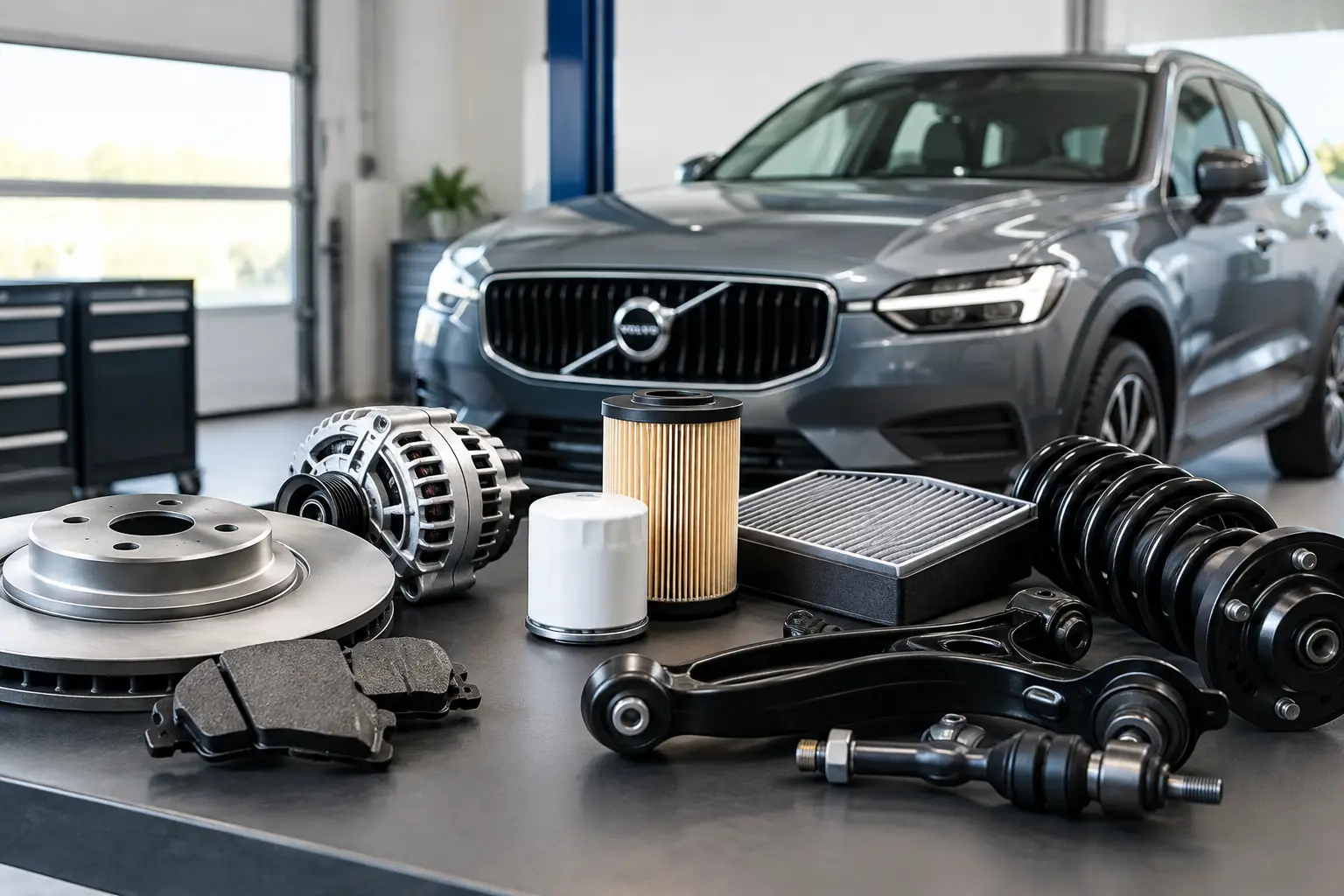
A Volvo can feel perfectly solid on the road while a worn suspension bush, tired engine mount or weak cooling component is already creating a larger repair bill. That is why an aftermarket Volvo parts review should not begin with the lowest quoted price. It should begin with whether the part is right for your specific model, fitted correctly, and capable of lasting in Singapore’s heat, traffic and stop-start driving.
For many owners, quality aftermarket parts are a sensible alternative to dealer-supplied components. The right choice can deliver dependable performance and good value. The wrong choice can lead to warning lights, noise, poor ride quality and the frustration of paying twice for the same job.
What aftermarket Volvo parts actually mean
Aftermarket simply means a part is not sold in Volvo-branded packaging. It does not automatically mean inferior quality. Many reputable manufacturers produce components to original-equipment standards, and some supply parts to vehicle makers as well as the independent repair market.
The problem is that the aftermarket is broad. At one end are established manufacturers with proper quality control, precise fitment and proven materials. At the other are low-cost copies with inconsistent tolerances, weaker rubber compounds and limited traceability. Both may look similar in a photograph. Their performance once installed can be very different.
For a Volvo owner, the key question is not whether a part has a Volvo label. It is whether it matches the specification required by the car and comes from a manufacturer a specialist workshop is prepared to stand behind.
Aftermarket Volvo parts review: where quality matters most
Some components are more forgiving than others. A cabin filter from a recognised maker is a straightforward service item. A cheaply made control arm, timing component or electronic sensor is a different risk entirely.
Service items can offer strong value
Oil filters, air filters, pollen filters, wiper blades, brake discs and brake pads are commonly available from respected aftermarket brands. When matched properly to the vehicle and servicing requirement, these parts can be a practical choice. They allow routine maintenance to stay cost-effective without treating your Volvo as a generic car.
Brake work still requires care. The correct pad compound, disc specification and fitting procedure affect stopping feel, noise and wear. A premium Volvo may also use electronic parking brake systems or brake wear sensors that need proper attention during replacement. Saving a small amount on parts is not worthwhile if the vehicle returns with squeal, vibration or a dashboard warning.
Suspension parts need more than a visual match
Singapore roads, kerbs, heat and daily congestion place constant demands on suspension and steering components. Bushes, links, mounts and arms can degrade gradually, leaving the car less precise than it should be. On larger Volvos, poor-quality suspension parts often reveal themselves through clunks, uneven tyre wear or a ride that never quite settles.
A good aftermarket suspension part can restore the car properly. A poor one may fit initially but develop play early, forcing another alignment and another repair. This is where workshop experience matters: technicians should assess the surrounding components, not replace one visibly worn item and ignore the cause of the wear.
Electronics and sensors are not the place to gamble
Modern Volvos rely on a network of sensors, modules and software-controlled systems. Engine management sensors, wheel-speed sensors, parking sensors and battery monitoring components must communicate accurately with the vehicle.
A bargain sensor can create intermittent faults that take longer to diagnose than the original failure. It may work when first fitted, then trigger warnings after a few days of driving. For electronic parts, known brands and accurate part-number matching are particularly valuable. The same applies to batteries, where correct capacity, technology and registration procedures can matter on newer models.
Engine, cooling and gearbox repairs demand proven parts
Components affecting engine timing, cooling, turbocharging or gearbox operation should be selected with a long-term view. A water pump, thermostat housing, belt kit or transmission-related part can involve significant labour. Fitting an unproven item in these areas is a false economy if it fails early.
The best choice depends on the repair. Sometimes an original Volvo part is the sensible route, particularly for a model-specific component with limited aftermarket options. In other cases, a high-quality original-equipment equivalent is entirely appropriate. A responsible workshop should explain the difference clearly rather than pushing a single answer for every vehicle.
What to check before approving a repair
Parts quality is only one part of the decision. The repair plan matters just as much. Before work begins, ask what brand or grade of part is proposed, whether it is new, and why it suits your Volvo. You should also understand what warranty support applies to the part and the workmanship.
Fitment must be checked against the vehicle identification details, engine variant and production year. Volvo model names alone are not enough. Two XC60s or S60s can require different components because of engine changes, brake packages, chassis specifications or model-year updates.
It is also sensible to ask whether related work is advisable. For example, replacing worn front suspension arms may call for wheel alignment afterwards. Repairing a cooling leak may require inspection of connected hoses and the expansion tank. Replacing brake discs should normally mean assessing pad condition and caliper operation at the same time. This is not upselling when it is explained properly. It is how repeat problems are avoided.
The fitting process can make or break the result
Even an excellent part will not perform as intended if it is installed carelessly. Torque settings, mounting position, software resets and calibration procedures all matter on modern Volvos.
Rubber bushes are a clear example. Some suspension bushes need to be tightened with the vehicle at its normal ride height. If they are tightened while the suspension hangs freely, the rubber can remain under constant twist once the car is lowered. The result may be shortened bush life and a compromised ride.
Diagnostics matter too. A warning light should not be treated as a reason to replace the first part named by a generic fault code. Codes guide the diagnosis, but wiring faults, vacuum leaks, charging issues and software-related concerns can produce similar symptoms. Proper testing protects the owner from unnecessary parts replacement.
Original versus aftermarket: the practical answer
There is no universal winner. Original parts can be the right choice where exact integration, software compatibility or manufacturer-specific design is critical. They can also offer peace of mind for owners who prefer to retain dealer specification throughout.
Quality aftermarket parts are often the better value option for routine wear-and-tear work and many mechanical repairs. They can provide the performance needed without the higher cost associated with branded packaging and dealer supply chains. The condition is simple: the part must be sourced from a credible manufacturer and fitted by technicians who know the platform.
What should be avoided is the false choice between expensive and cheap. The meaningful comparison is between a known, suitable component with warranty support and an unknown part selected only because it costs less today.
Why a Volvo specialist makes the difference
A specialist workshop sees recurring Volvo faults, understands common wear patterns and knows which parts have performed reliably over time. That practical knowledge helps owners make decisions based on the car in front of them, not a catalogue listing alone.
At MTE Garage, the approach is straightforward: diagnose the issue properly, recommend suitable new replacement parts, and explain the repair before work starts. That gives Volvo owners a credible alternative to blanket dealer pricing or low-cost repairs with unclear parts quality.
A well-chosen aftermarket part should disappear into the ownership experience. The car should steer cleanly, stop confidently, run at the correct temperature and remain free of repeat warnings. Choose the repair based on that outcome, not the cheapest line on an estimate.